From Addisleigh Park to Seneca Village (2025)

In conjunction with the exhibition Olney Marie Ryland: Urbane Facades, the Yeh Art Gallery and the Central Park Conservancy presented a conversation on December 6, 2025 exploring creative approaches to the preservation and commemoration of historic African American communities through architectural form.
The conversation was moderated by the Central Park Conservancy's Community Engagement Consultant John Reddick and featured:
- Olney Marie Ryland — Artist
- Lisa Wade — Addisleigh Park Historian
- Meredith B. Linn — Historical Archaeologist at Bard Graduate Center; member of the Envisioning Seneca Village team
- Leah Meisterlin — Cartographer and Architect, Barnard College; member of the Envisioning Seneca Village team
From Addisleigh Park to Seneca Village (2025)
Watch the conversation and explore how communities are remembered, rebuilt, and reimagined.
Together, the speakers explored how present-day artists, historians, and residents work to carry forward community legacies—whether through physical structures, research, or reimagined representations. The conversation also examined the challenges of sustaining living neighborhoods, the responsibilities of commemoration, and how preservation must evolve to honor both material and cultural terms.
Olney Marie Ryland: Urbane Facades
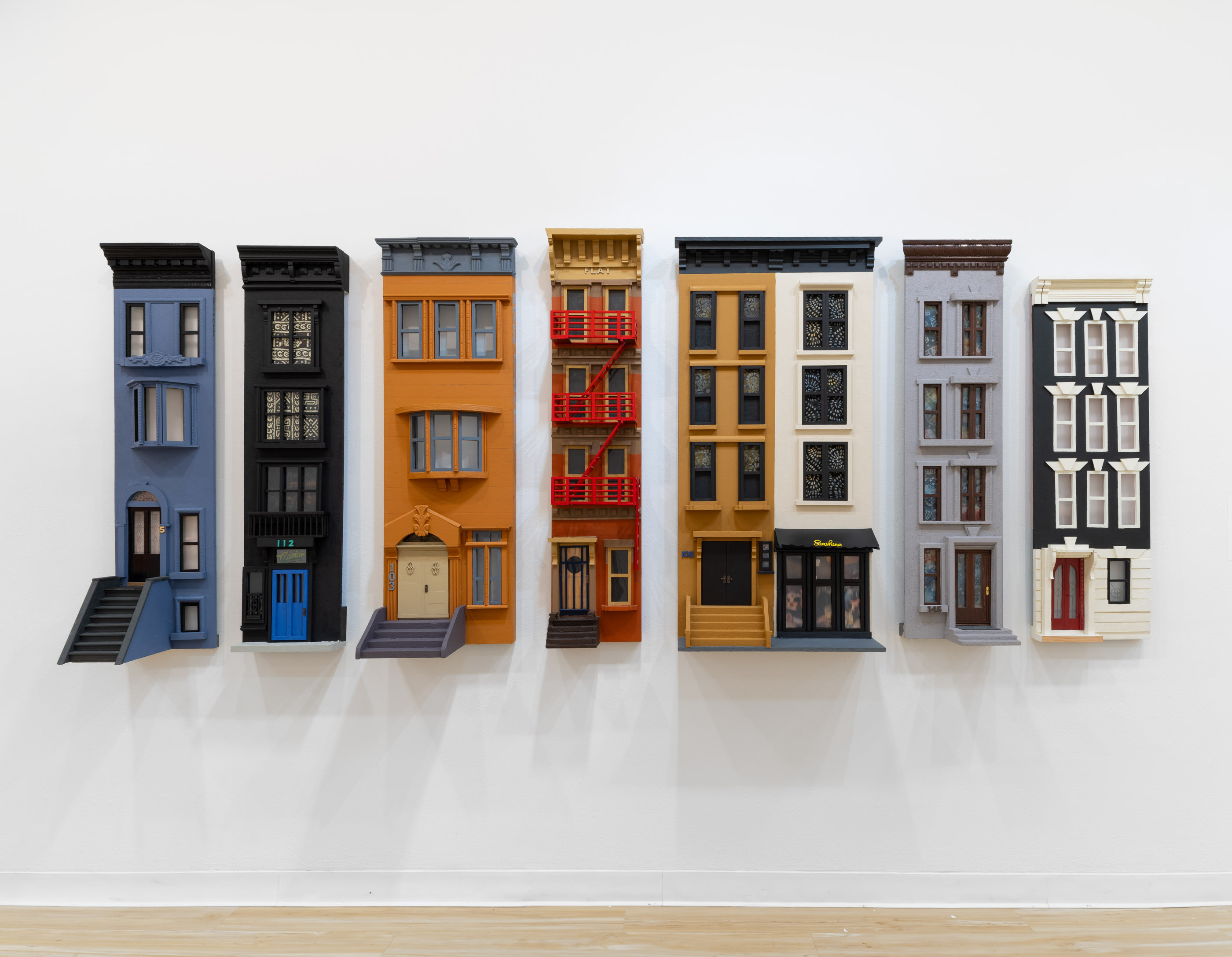
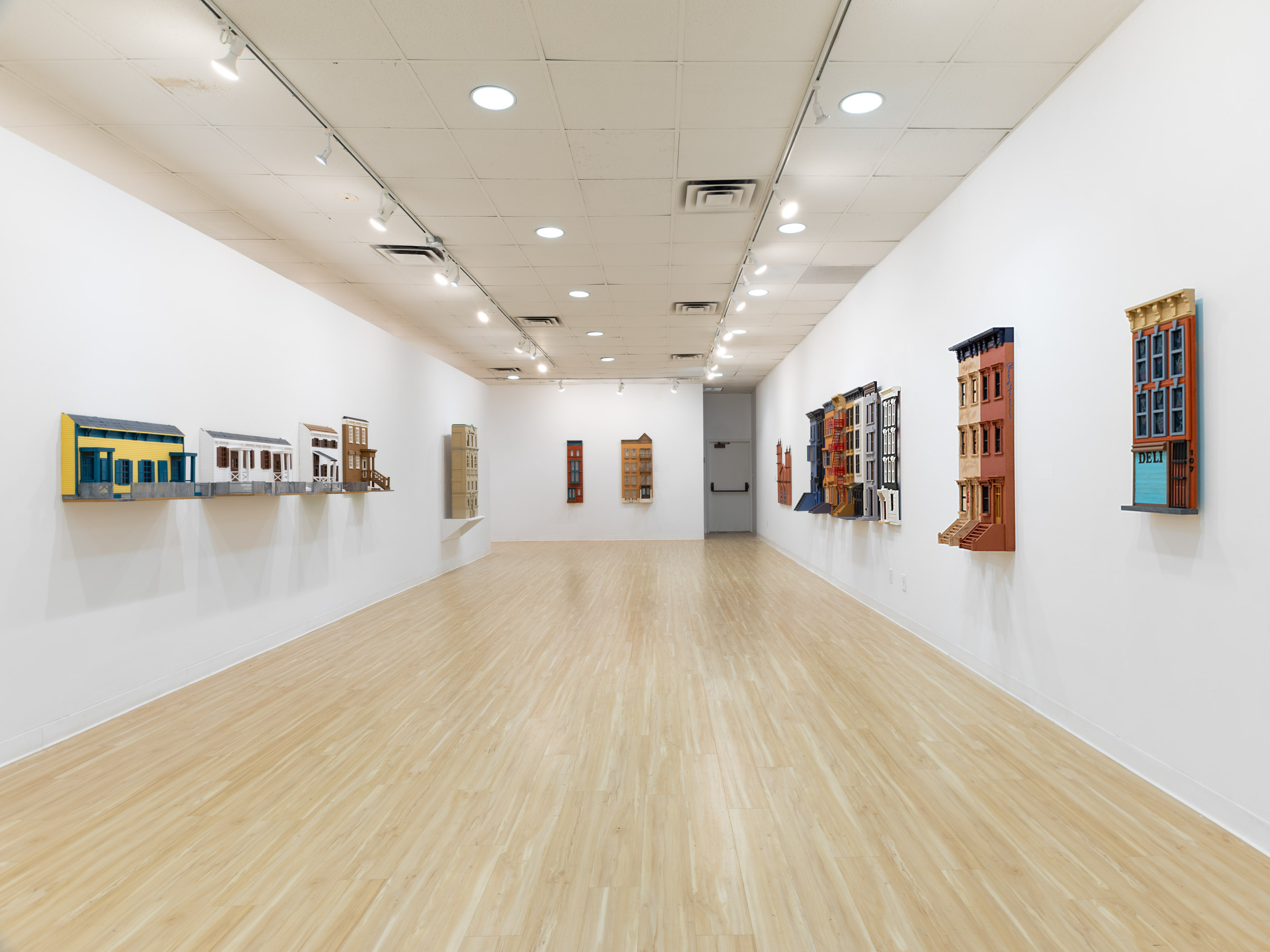
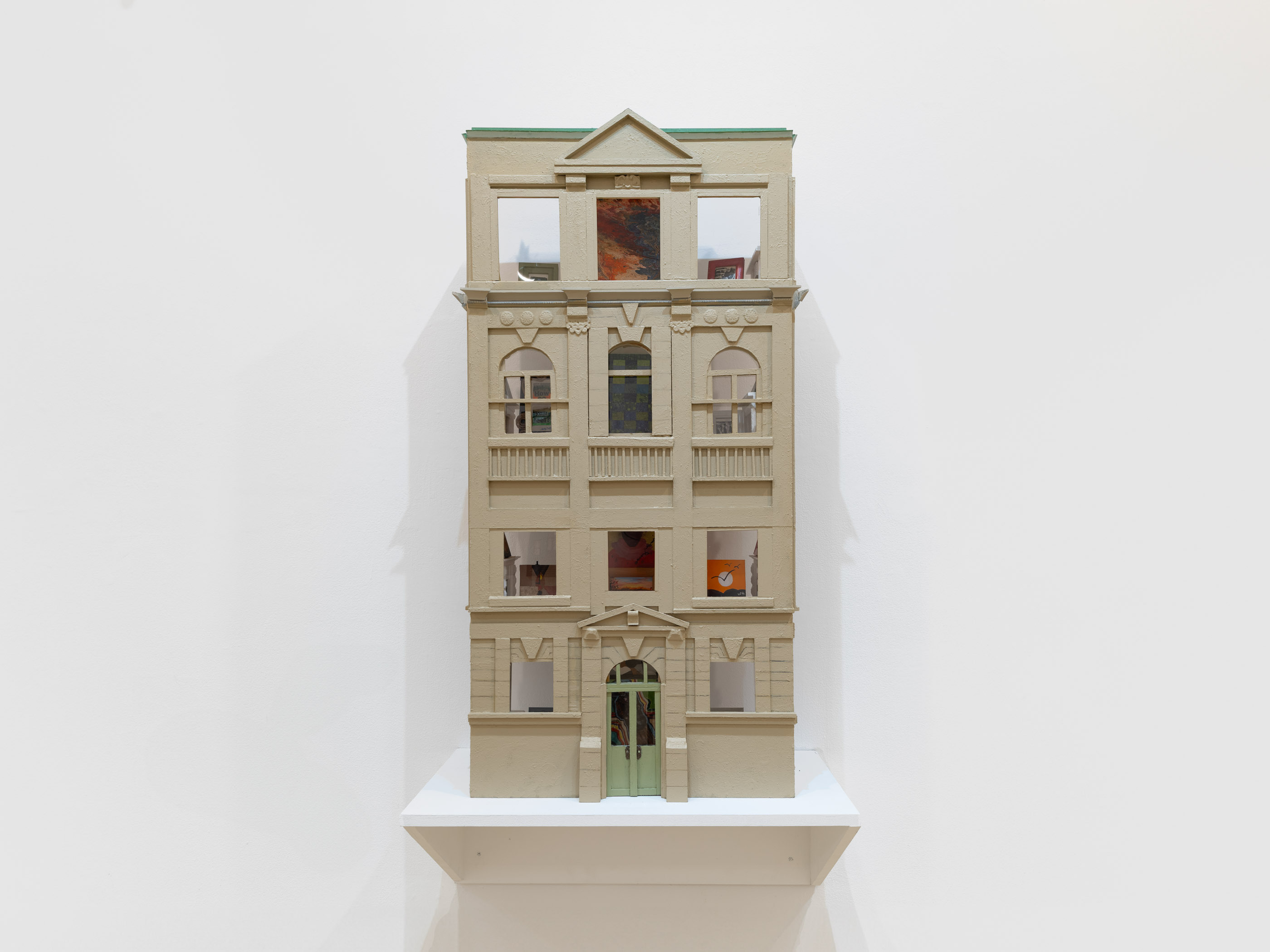
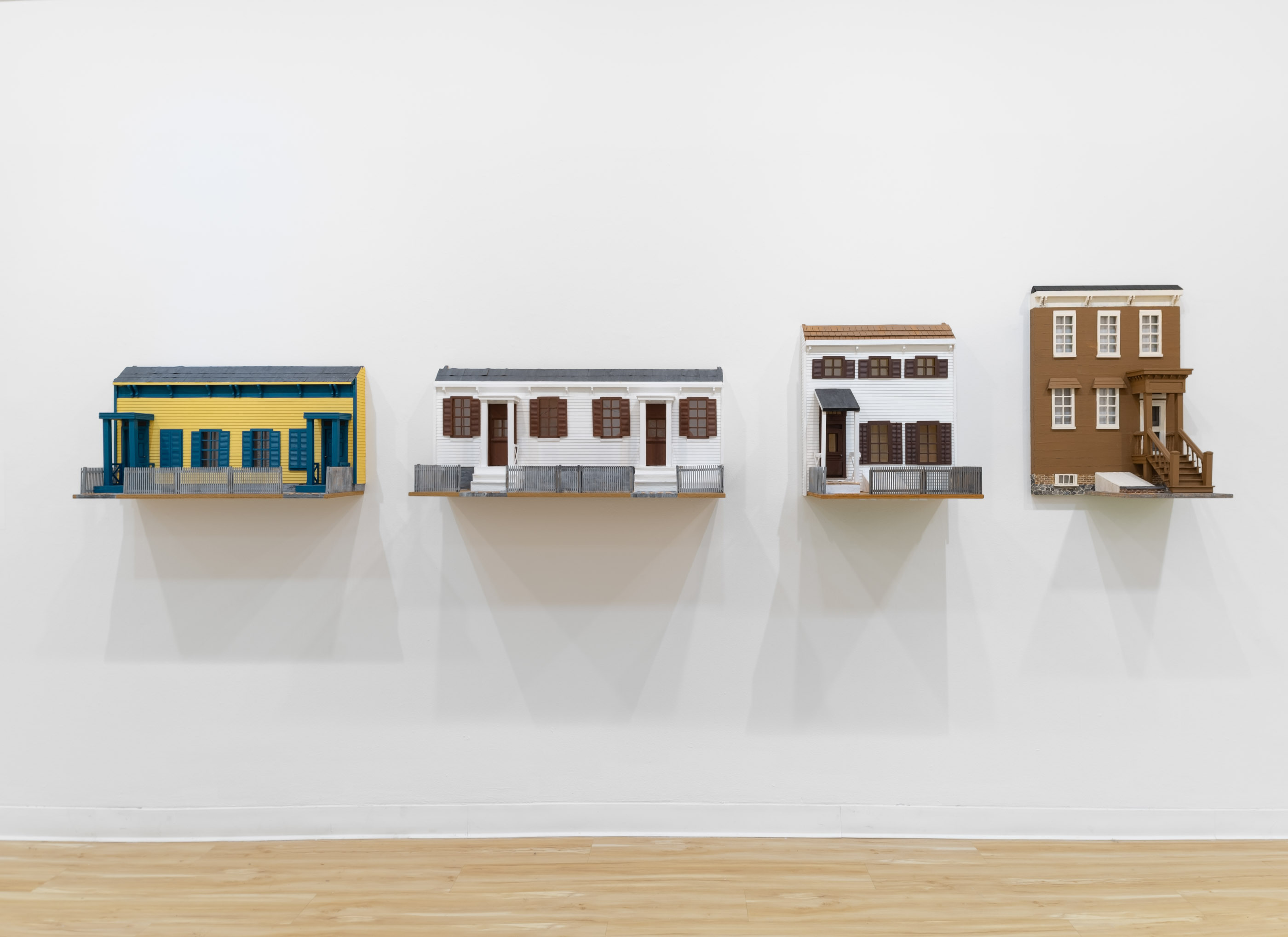
Ryland’s Urbane Facades exhibit featured reconstructed facades—rooted in historically Black neighborhoods like Weeksville, Brooklyn, and informed by her lived experience as a preservation advocate in the postwar African American community, Addisleigh Park, Queens—anchored the conversation in place, ownership, and continuity. Her work makes history tangible, insisting that preservation is not abstract, but lived and claimed.
ENVISIONING SENECA VILLAGE
In contrast, the Envisioning Seneca Village project draws on written descriptions, maps, and extensive research to image a built community for which no photographic record exists, reconstructing the 19th-century environment of a predominantly African American settlement once located in what is now Central Park.

Envisioning Seneca Village