Commemorating Seneca Village

In 2025, the 200th anniversary of Seneca Village’s inception, the Central Park Conservancy launched a multiyear public programming series to inform the permanent commemoration of Seneca Village in the Park, with generous support from the Mellon Foundation and its Monuments Project.
Pictured above: Shatic Mitchell, Dr. Yusef Salaam, and Jordan J.G. Wright at the project launch event.
HONORING SENECA VILLAGE
Before Central Park, the landscape along what is now the Park’s perimeter from West 82nd to 89th Streets was home to a predominantly Black community known today as Seneca Village. Established in 1825, the village began when free Black residents from downtown started purchasing land within what would later become Central Park.
Seneca Village was a relatively prosperous community with three churches, a school, and high rates of property ownership, which in some cases made male landowners eligible to vote. When the City acquired the land for Central Park through eminent domain in 1857, its residents were displaced and forgotten. Historians rediscovered its existence in the 1990s, and in recent years, the Conservancy has worked to trace and share its history.
HOW THE PARK'S LANDSCAPE PROVIDES A LIVING NARRATIVE OF SENECA VILLAGE
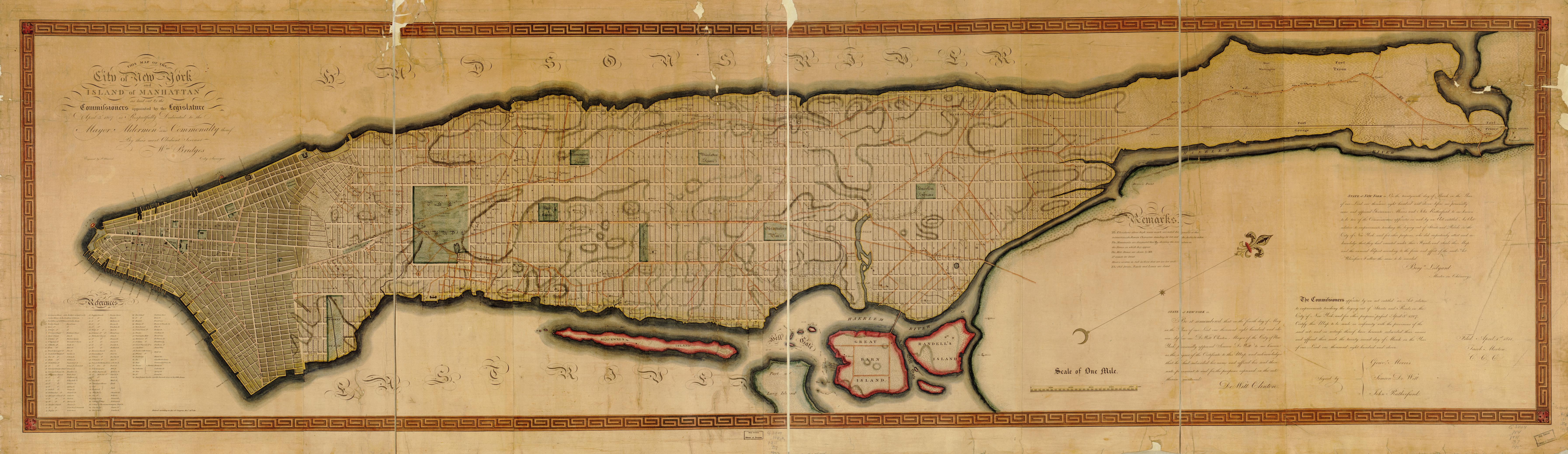
The implementation of Manhattan’s 1811 street grid plan leveled much of the island’s natural topography, but with the construction of Central Park, key elements of Seneca Village’s landscape endured. Today, this site remains one of the least altered areas—not only in the Park, but in all of Manhattan. The surviving rocks and hills that once formed the literal foundation of the community continue to anchor its memory, offering a rare and tangible connection to the past.
WIELDING THE POWER OF PARTNERSHIPS AND PROGRAMMING TO INFORM COMMEMORATION
By incorporating these original landscape features, commemoration of Seneca Village has the chance to take on a depth beyond the reach of traditional monuments and statues. In the words of Mellon Foundation President Elizabeth Alexander: a thoughtfully designed commemorative element should “let the ground speak,” inviting visitors into an intimate conversation with history itself.
With a focus on designing a meaningful and permanent commemoration within Central Park, the Conservancy has launched two years of programs—supported by the Mellon Foundation’s Monuments Project—that seeks to:
- Deepen public awareness and understanding of Seneca Village’s history and significance.
- Encourage new, creative ways of thinking about commemoration through collaborations with artists and historians.
- Foster dialogue on how race and history shape public spaces.
- Gather community and expert input on the next phase of Seneca Village’s commemoration.

Project Scope

Project Timeline
The multiyear initiative and programming series will culminate with the development of a community-informed framework to guide the next phase of the project: designing a permanent commemoration of Seneca Village in Central Park. More than a marker of the past, this project aims to position the Seneca Village community as a pivotal chapter in the broader story of American history, inspiring reflection and a deeper connection to the past.
The Conservancy invites all New Yorkers to attend Seneca Village programs and participate in this ongoing dialogue to help shape a commemoration that honors the history, culture, and significance of this remarkable community.
