Shaping Public Memory in NYC Public Parks (2026)

The inaugural conversation in a three-part event series exploring how commemoration takes shape in public parks, organized by the Central Park Conservancy and Urban Design Forum.
Date:
Wednesday, March 25
Location:
Museum of the City of New York
1220 5th Ave, New York, NY 10029
Public parks are some of our most used civic spaces, and the memorials and monuments within them shape how we remember the past. Behind each commemorative project in New York City parks is a public process–spanning design, review, and long-term stewardship–that influences what stories are told and how they are experienced over time.
On March 25, 2026, the Central Park Conservancy and Urban Design Forum presented the kick-off discussion of a three-part series, exploring how these processes can help create commemorative spaces that are more inclusive, transparent, and reflective of New York City’s communities.
The program began with a brief introduction to the history of public monuments in New York City by the Conservancy’s Director of Public History Jessica MacLean, followed by a panel discussion moderated by Mabel O. Wilson.
If you were unable to attend, we encourage you to watch the recording (below) and stay tuned for the next program in this series!
Shaping Public Memory in NYC Public Parks
Featured Speakers
Kendal Henry, NYC Department of Cultural Affairs
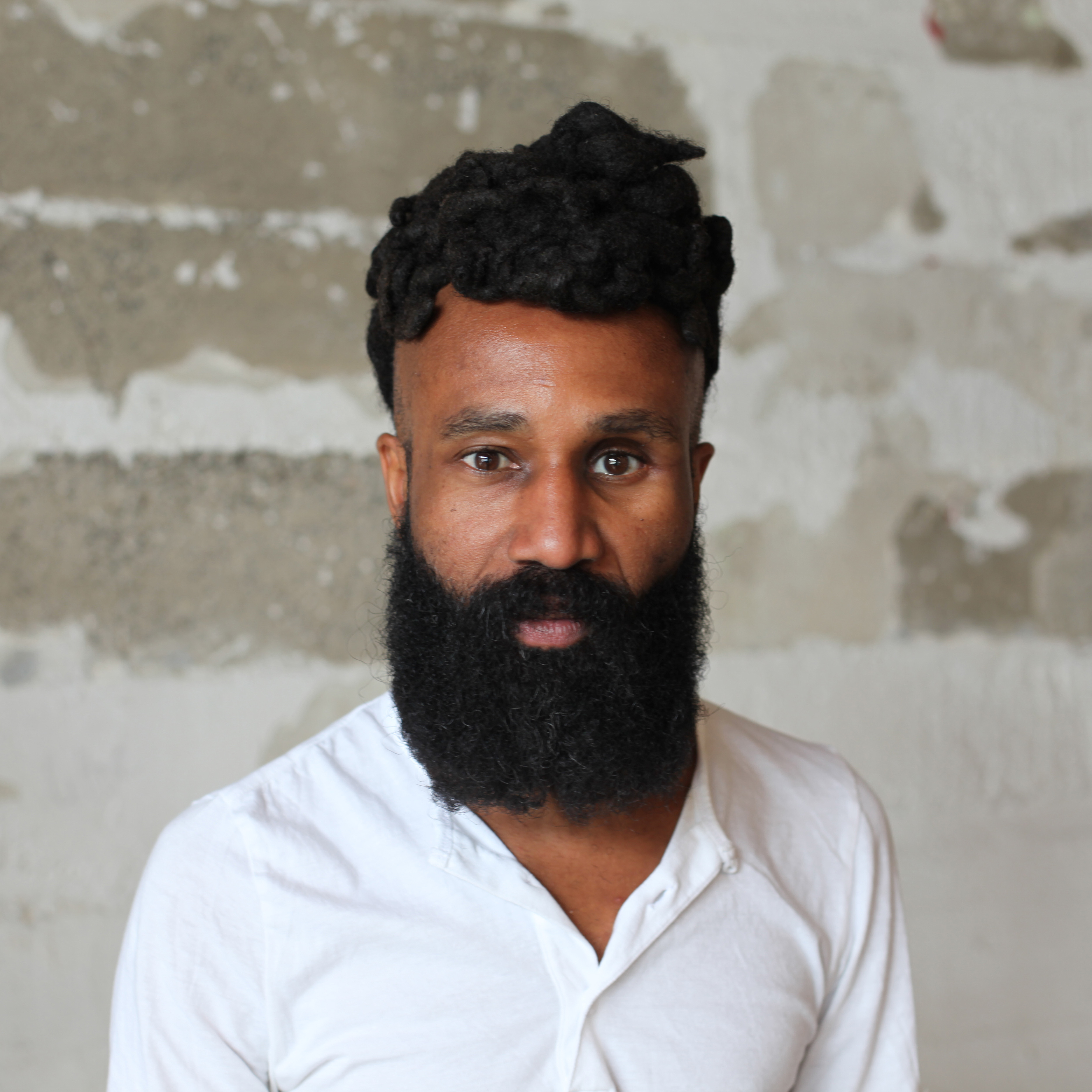
Kendal Henry is an artist and curator who lives in New York City and has specialized in the field of public art for over 30 years. He illustrates that public art can be used as a tool for social engagement, civic pride, and economic development through the projects and programs he’s initiated in the US and internationally.
Jenny Lantzas, NYC Department of Parks & Recreation
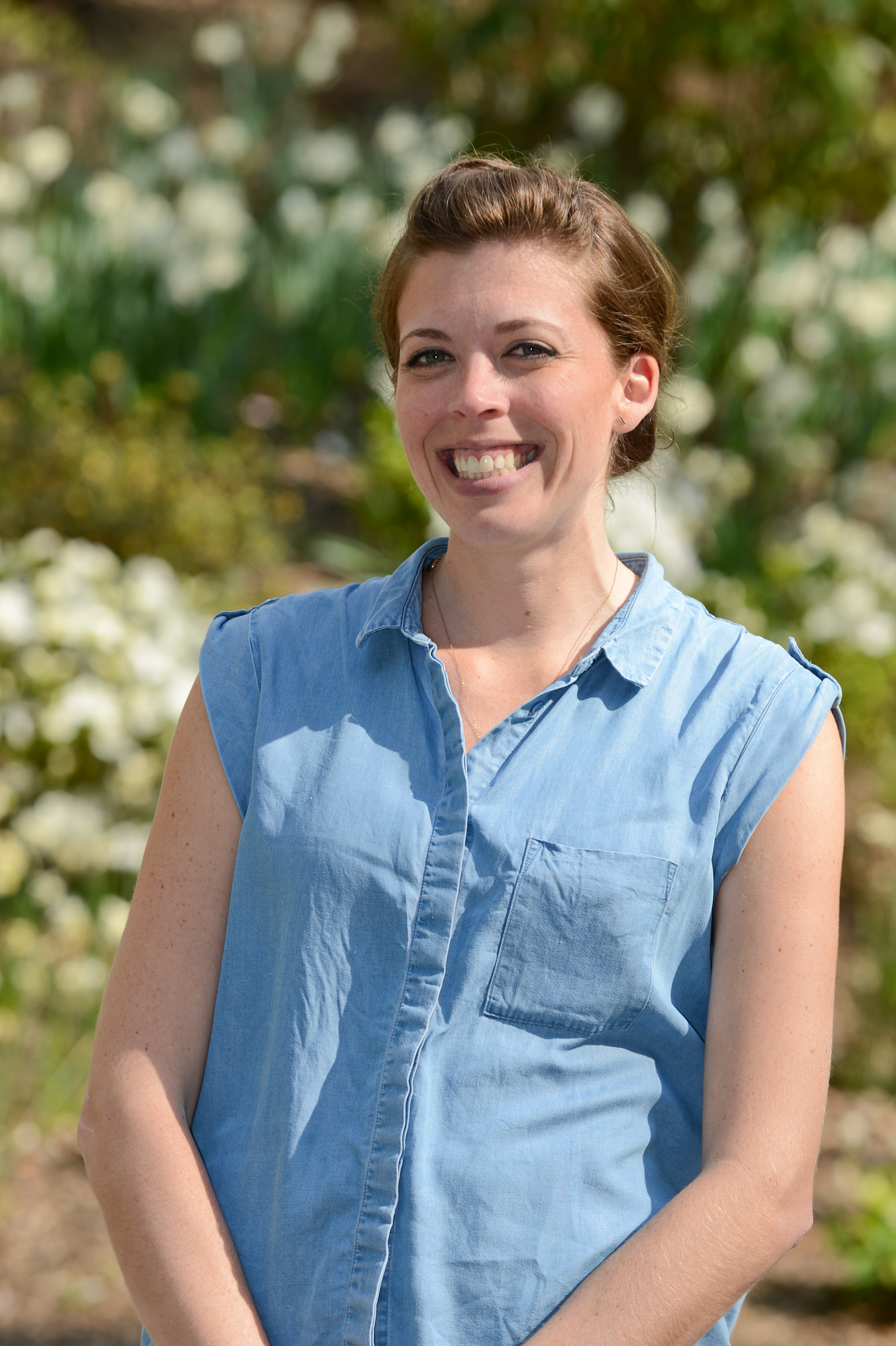
Jennifer Lantzas is the Deputy Director of Art & Antiquities at NYC Parks. She works with artists, community groups, arts organizations, and government agencies to commission and maintain NYC Parks’ permanent artworks and to bring temporary public art to parks Citywide.
Carolina Llano, NYC Public Design Commission
Carolina (Caro) Llano is the Senior Director of Art, Design & Technology at the Public Design Commission. In her role, Llano is committed to supporting artists and their visions to contribute public artworks that reflect the unique identity of New York City and its values of tolerance, resilience, and humanity.
Jessica MacLean, Central Park Conservancy
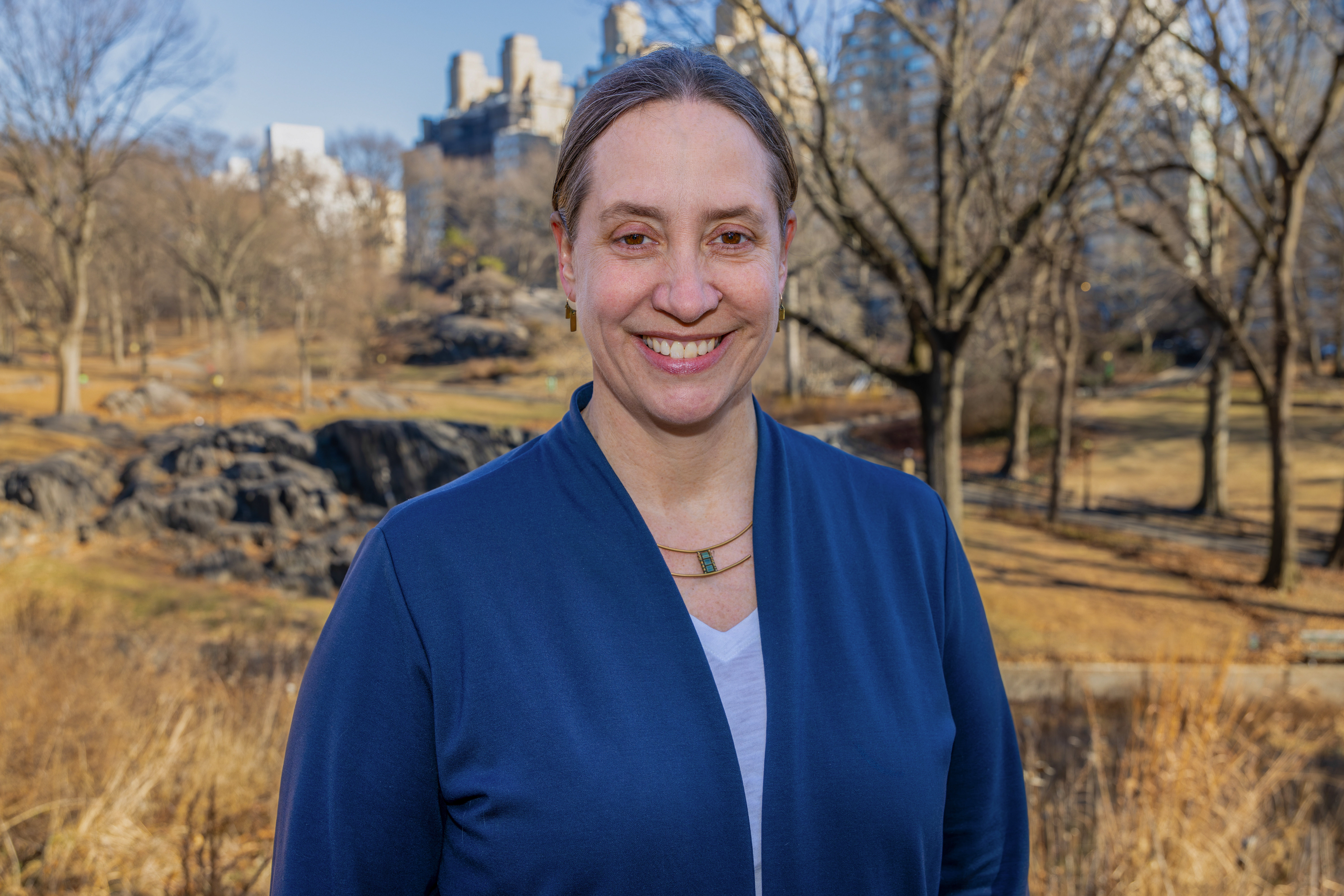
Jessica (Striebel) MacLean is a multi-disciplinary scholar and historical archaeologist specializing in New York City history and serves as Director of Public History for the Central Park Conservancy.
Justin Garrett Moore, Mellon Foundation
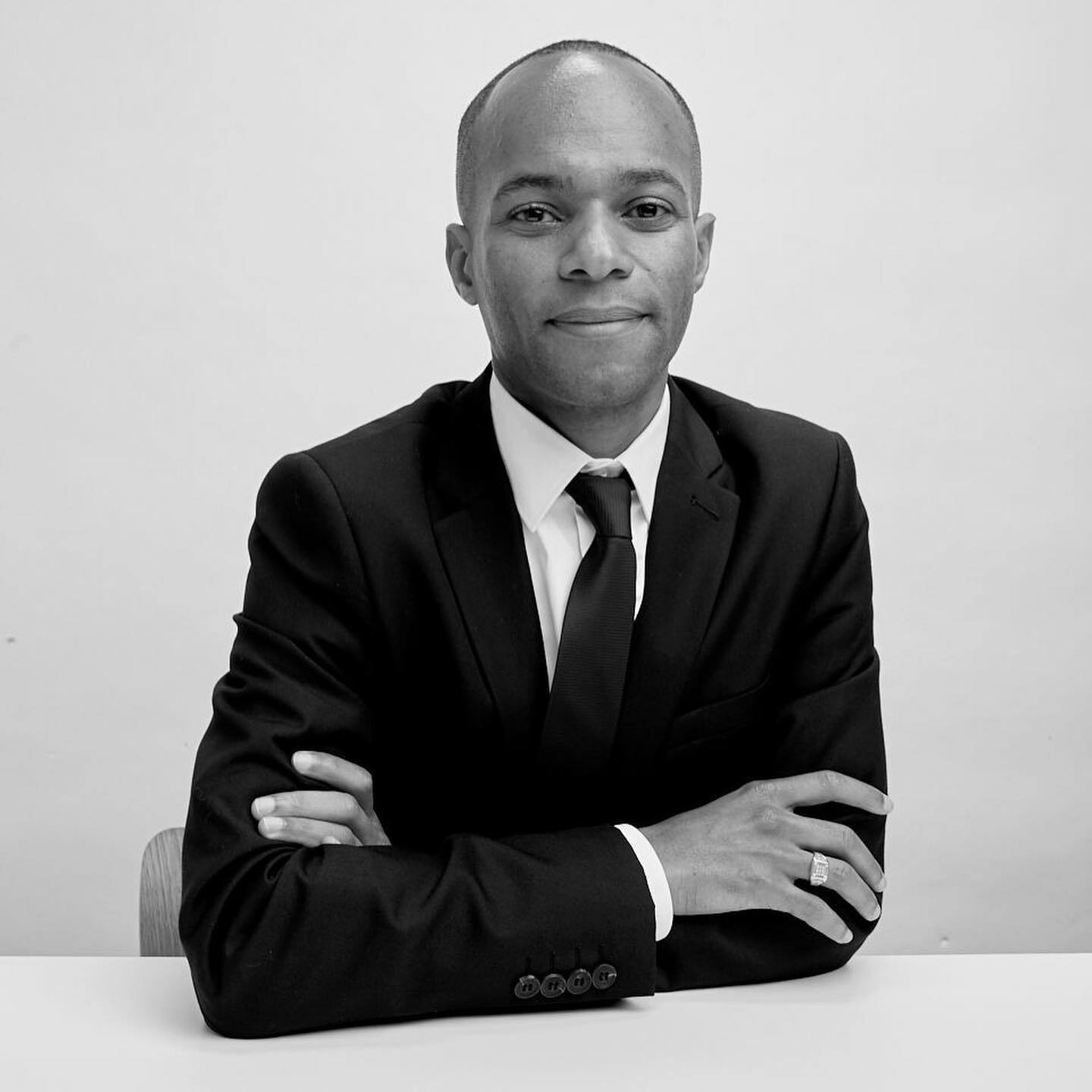
Justin Garrett Moore is the Program Director for the Humanities in Place program at the Andrew W. Mellon Foundation. His work focuses on advancing equity, inclusion, and social justice through place-based initiatives and programs, built environments, cultural heritage projects, and commemorative spaces and landscapes.
Mabel O. Wilson, Columbia University
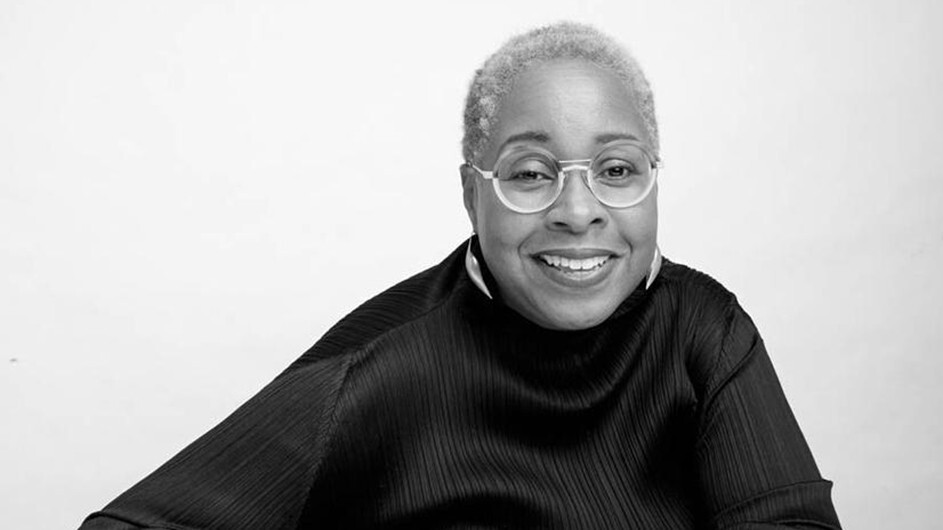
Mabel O. Wilson, PhD, is a professor of African American and African Diaspora Studies and a professor of Architecture at Columbia University. With her practice Studio &, she was a member of the design team for the Memorial to Enslaved Laborers at the University of Virginia, and was co-curator of the Museum of Modern Art’s exhibition Reconstructions: Architecture and Blackness in America (2021).
Special thanks to Jonathan Kuhn, Director, Art and Antiquities, NYC Parks

Featured Speakers
Mabel O. Wilson, Carolina Llano, Betsy Smith, Kendal Henry, Daniel McPhee, Jenny Lantzas, Justin Garrett Moore, Jessica MacLean

History Presentation
Jessica MacLean

Audience

Panel Discussion
Mabel O. Wilson, Carolina Llano, Kendal Henry, Jenny Lantzas, Justin Garrett Moore

Audience Q&A

Attendees
Featured Speakers
Mabel O. Wilson, Carolina Llano, Betsy Smith, Kendal Henry, Daniel McPhee, Jenny Lantzas, Justin Garrett Moore, Jessica MacLean
History Presentation
Jessica MacLean
Audience
Panel Discussion
Mabel O. Wilson, Carolina Llano, Kendal Henry, Jenny Lantzas, Justin Garrett Moore
Audience Q&A
Attendees
About the Seneca Village Discussion Series
The Central Park Conservancy and Urban Design Forum have partnered on a three-part event series exploring how commemoration takes shape in New York City’s public parks—from early ideas to public review and long-term stewardship. The series is part of a broader Central Park Conservancy initiative, supported by the Mellon Foundation’s Monuments Project, focused on creating a meaningful and lasting commemoration of Seneca Village within Central Park.
About Urban Design Forum
Urban Design Forum connects and inspires New Yorkers to design, build, and care for a better city. We are a member-powered organization of 1,200+ civic leaders committed to a more just future for our city. We believe the built environment—our neighborhoods, buildings, public spaces and infrastructure—shapes our city’s health, culture, and economy. We bring together New Yorkers of diverse backgrounds and experiences to learn, debate, and design a vibrant city for all.
This event is part of Seneca Village: Toward a Permanent Commemoration, an ongoing program series funded by the Mellon Foundation. The program series will culminate in a community-informed framework guiding the future design of a permanent commemoration of Seneca Village in Central Park.